Metal Choice Is One of the Most Overlooked Decisions in Ring Buying
Most buyers spend weeks researching stone options and ten minutes choosing the metal. Yet the metal choice affects durability, maintenance, appearance, price, and how the ring ages over decades. This guide covers every metal option available for South African engagement rings — with honest assessments of the trade-offs at each tier.
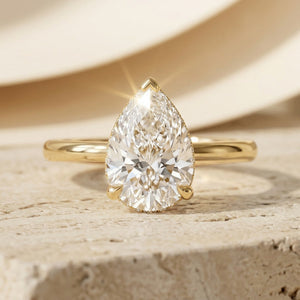
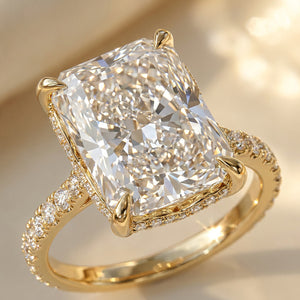
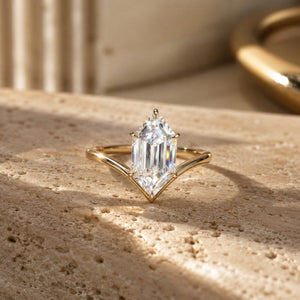
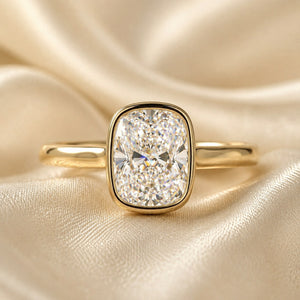
Yellow Gold: The Classic, the Warmest, the Most Forgiving
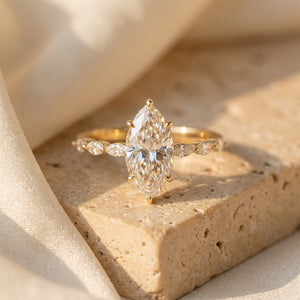
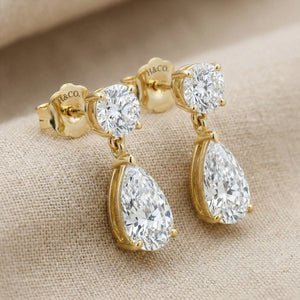
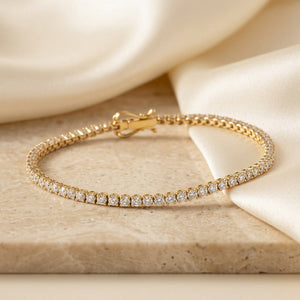
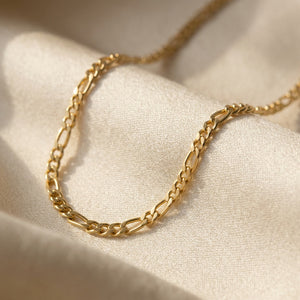
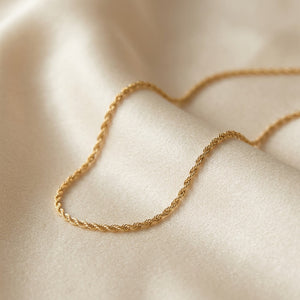
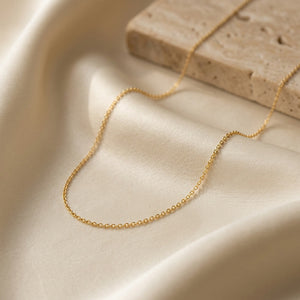
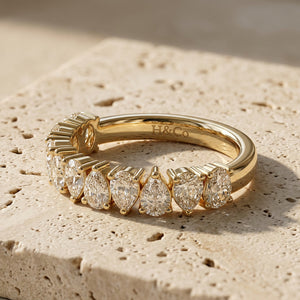
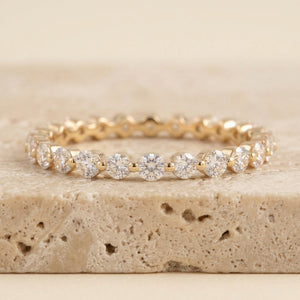
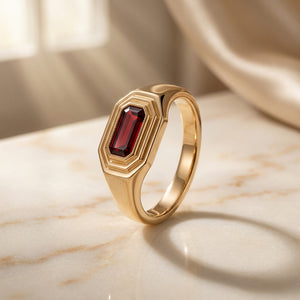
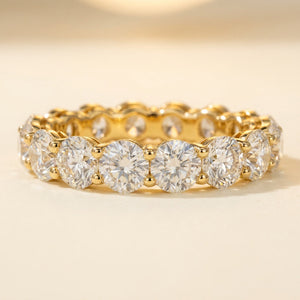
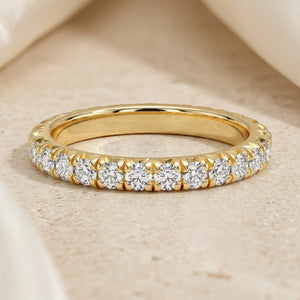
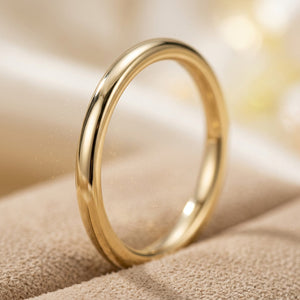
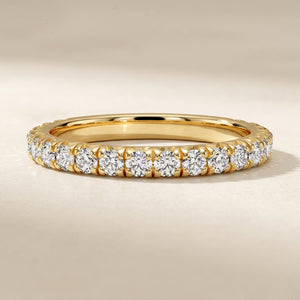
Yellow gold is the original and still the most widely chosen metal for engagement rings globally. In South Africa specifically, yellow gold has seen a significant resurgence since 2022 — driven by both the broader "quiet luxury" trend and a move away from the ultra-white aesthetic that dominated the 2010s.
Available purities in South Africa:
- 9k yellow gold (37.5% gold): Durable, affordable, genuine gold. Slightly lighter yellow tone. Best for entry-level fine jewellery and for buyers who want solid gold at the most accessible price point. Heritage & Co. starts its range here.
- 14k yellow gold (58.3% gold): The Heritage & Co. recommended standard. Richer yellow tone than 9k. More durable than 18k (harder alloy). Excellent balance of price, colour, and longevity.
- 18k yellow gold (75% gold): The deepest, most saturated yellow. Softer than 14k (scratches slightly more easily). More prestigious in the traditional luxury sense. Better for lower-wear settings or buyers who want the richest colour possible.
Key advantages of yellow gold: The warm tone is forgiving for moissanite — any slight warmth in the stone harmonises with the setting rather than contrasting. Yellow gold doesn't require replating. It develops a natural patina over decades that most people find beautiful. It is also the most South African-adjacent choice historically.
Considerations: Yellow gold will show scratches over time (all gold does — this is normal and can be polished out). It is not the best choice if your partner has cool-toned skin and strongly prefers silver-toned metals.
White Gold: What You're Actually Seeing
Here is something most jewellery retailers won't tell you upfront: the bright silver-white colour of a white gold ring is not white gold. It is rhodium plating.
White gold is created by alloying yellow gold with white metals — typically palladium, nickel, or silver. This alloy is whiter than pure yellow gold, but it is not the brilliant chrome-white you see in the jewellery store. The natural colour of white gold alloy — what you'd see if no plating were applied — is a pale, slightly warm off-white with a faint yellowish or greyish tint. Some jewellers describe it as "champagne white." It is not unpleasant, but it is nothing like the mirror-bright silver that rhodium produces.
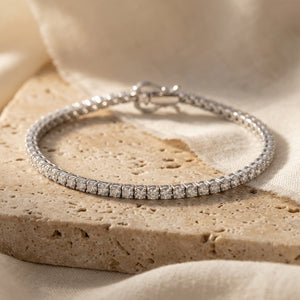
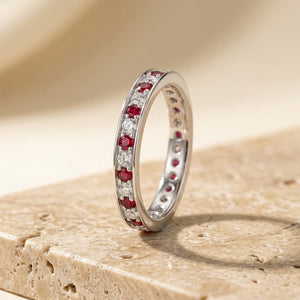
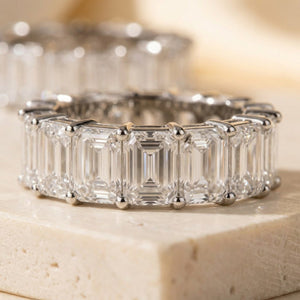
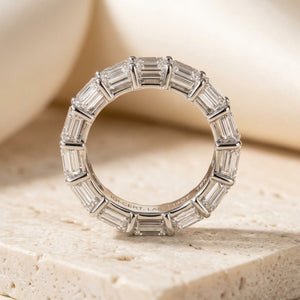
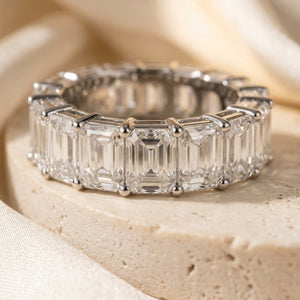
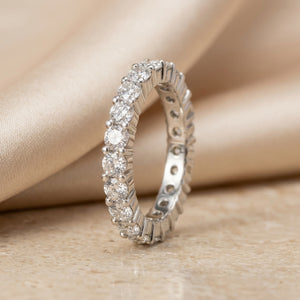
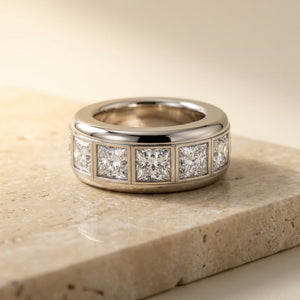
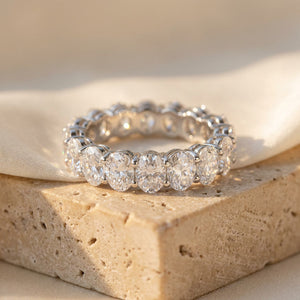
To achieve the crisp, high-contrast white appearance that white gold is known for, every white gold ring is plated with rhodium — a platinum-group metal with an extraordinarily reflective, cool silver surface. The rhodium layer, typically 0.5–1 micron thick, is what you are admiring when you see a white gold ring in a display case.
What Happens When the Rhodium Wears Off
Rhodium plating is not permanent. Through daily contact with skin oils, cleaning products, friction, and general wear, the plating gradually thins. After one to three years (faster on rings worn constantly, slower on pieces worn occasionally), the rhodium begins to show wear — first at the highest-contact points like the inside of the band and the undersides of prongs, then across the band itself. As the plating thins, the underlying white gold alloy begins to show: that warm, slightly yellowish or greyish off-white tone. The ring doesn't look broken — it simply looks different from when you bought it.
Re-plating is straightforward. Any jeweller with a rhodium bath can restore the original appearance — a service that typically costs R200–R500 in South Africa and takes less than a day. Many white gold ring owners re-plate every one to two years as part of routine maintenance. It is not a defect; it is simply the known lifecycle of the material.
Rhodium on White Gold vs Rhodium on Silver
It's worth understanding that rhodium plating on silver jewellery produces an identical visual result to rhodium plating on white gold. Rhodium is rhodium — the same reflective, cool silver surface regardless of what it's applied over. This is why white gold and rhodium-plated silver can look indistinguishable to the naked eye. The difference is what lies beneath: white gold is a solid precious metal alloy with intrinsic value and longevity; silver (925 sterling) will tarnish, react with skin differently, and is not equivalent as a fine jewellery substrate. But the bright surface you see on both — that is the same rhodium coating.
Caring for White Gold
To extend the life of rhodium plating: avoid chlorine (pools and hot tubs strip plating rapidly), remove the ring for cleaning tasks involving harsh chemicals, and clean gently with warm water and mild soap. When the ring begins to show the warm underlying tone — that's your cue to rebook the jeweller for replating.
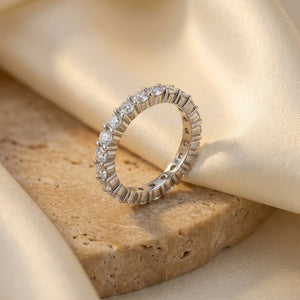
Best for: Buyers who love the cool white metal look, are comfortable with periodic replating, and want a more traditional engagement ring aesthetic without the platinum price premium.
Rose Gold: The Romantic Option, Highly Durable
Rose gold is yellow gold alloyed with copper — the copper creates the distinctive pink-to-rose colour. Unlike white gold, rose gold does not require plating. Its colour is intrinsic to the alloy, meaning it won't fade or change in the same way.
Rose gold is also notably durable — the copper alloy makes it harder than equivalent yellow or white gold at the same purity. A 14k rose gold ring is harder than 14k yellow or white gold.
Best for: Buyers who love warm, romantic tones. Rose gold pairs beautifully with oval and pear-shaped stones, with pavé settings, and with vintage-inspired designs. It suits warm and neutral skin tones particularly well.
Consideration: A small percentage of people have copper sensitivity — rare but worth noting. If your partner has had reactions to copper jewellery in the past, test before committing.
Platinum: The Premium Tier — Hardiness, True White, and the Patina Question
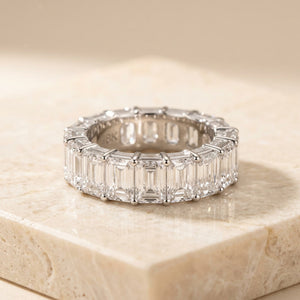
Platinum is a different metal entirely from gold. It is not a gold alloy. It is not plated. Its natural colour is a cool, clean silver-white — intrinsic to the metal — and it will remain that colour for as long as the ring exists without needing any treatment.
Hardiness and Density
Platinum is significantly denser than gold. A platinum ring of equivalent design weighs approximately 60% more than its 18K gold equivalent — that weight is immediately perceptible in the hand and on the finger. For buyers who associate weight with quality and substance, platinum delivers an unmistakable physical impression.
Platinum 950 (95% pure platinum, alloyed with ruthenium or iridium) is highly resistant to chemical attack — it is unaffected by the cleaning products, chlorine exposure, and acidic environments that can affect gold alloys over time. It is naturally hypoallergenic (palladium-alloyed white gold occasionally causes nickel sensitivity reactions; platinum does not).
Its hardness is comparable to 18K gold — approximately 130–135 Vickers — which means it is not scratch-immune. But the way it scratches is fundamentally different from gold.
The Patina: Platinum's Unique Beauty
Gold loses material when scratched. A scratch on a gold ring removes a small amount of metal — over decades, this very gradually reduces the ring's mass. Platinum does not. When platinum is scratched, the metal displaces rather than removes — a tiny ridge pushes to the side, leaving a surface mark but retaining all the metal. This difference matters in two ways: platinum maintains its mass indefinitely, and the surface micro-displacements accumulate over time into what jewellers call a patina.
Platinum patina is a satin-like, slightly frosted texture that replaces the mirror-bright polish of a new ring. Under diffuse lighting, a patinated platinum ring has a soft, organic quality — matte in character, with depth — that many people find deeply beautiful. It is literally the physical record of the life lived in the ring: each tiny mark represents a day worn, a task accomplished, a year passed. Antique platinum jewellery — Georgian and Edwardian pieces from the early 20th century — often carries a patina that collectors specifically value and refuse to polish away.
That said, the patina look is not for everyone. Some buyers find the gradual dulling of polish frustrating rather than romantic. This is a completely valid preference. A jeweller can restore platinum's mirror finish with a polish at any time — though the patina will begin to accumulate again. If you love the look of a bright, reflective metal surface at all times, platinum's natural behaviour may not suit you. White gold with regular replating delivers a consistently bright surface; platinum does not, unless you're willing to re-polish regularly.
Caring for Platinum
Platinum requires almost no chemical care — it doesn't tarnish, doesn't react, and doesn't need plating. Cleaning is simple: warm water, mild soap, soft brush. If you want to restore the mirror finish after patina has developed, any jeweller can polish it. The decision of whether to maintain the polish or allow the patina to develop is entirely personal — both are legitimate choices for a material that will outlast everything else in the ring box.
Heritage & Co. does not currently offer platinum as a standard setting option. Our 14k and 18k gold range covers the vast majority of customer needs. For platinum enquiries, contact us directly to discuss bespoke options.
Side-by-Side Comparison
| Metal | Natural Colour | Requires Plating? | Durability | Maintenance | Price (relative) |
|---|---|---|---|---|---|
| 9k Yellow Gold | Pale yellow | No | ★★★★☆ | Low — occasional polish | $ |
| 14k Yellow Gold | Medium yellow | No | ★★★★☆ | Low | $$ |
| 18k Yellow Gold | Rich, deep yellow | No | ★★★☆☆ | Low | $$$ |
| 14k White Gold | Warm off-white (hidden by rhodium) | Yes — rhodium | ★★★★☆ | Replating every 1–3 years | $$ |
| Rose Gold (14k) | Pink-rose | No | ★★★★★ | Low | $$ |
| Platinum 950 | Cool silver-white | No — ever | ★★★★★ | Low (develops patina) | $$$$ |
The Heritage & Co. Recommendation
For most buyers, 14k yellow gold is the optimal choice: the right balance of gold purity, durability, warmth, and price. It is Heritage & Co.'s dominant metal — because we believe it's simply the best all-round option for a ring engineered to be worn every day for life.
For buyers who strongly prefer a white metal aesthetic, we offer 14k white gold with the understanding that replating is part of its lifecycle. Rose gold is available on selected designs. Platinum is available on request for CLARITAS settings.
Browse our moissanite rings and lab diamond rings — every ring page clearly states its metal type and purity. To compare metals on a specific design, WhatsApp us and we'll show you your options.
Shop Heritage & Co.
- INVICTA — 9K gold, from R15,500
- AETERNA — 14K gold, from R16,000
- CLARITAS — 18K gold, from R30,000
- View All Engagement Rings