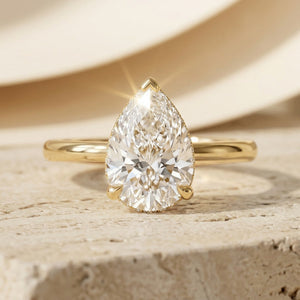
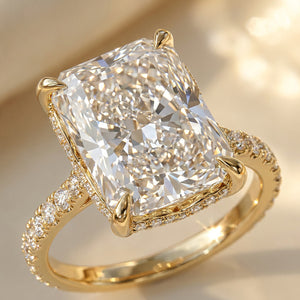
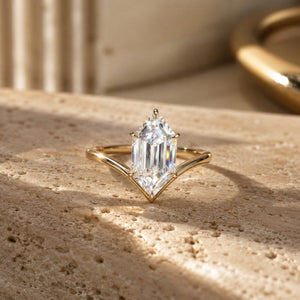
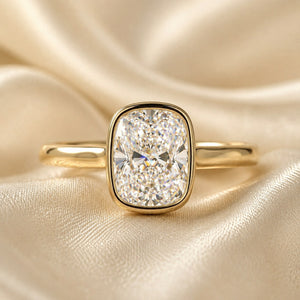
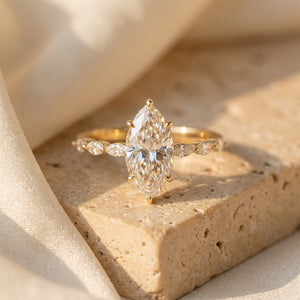
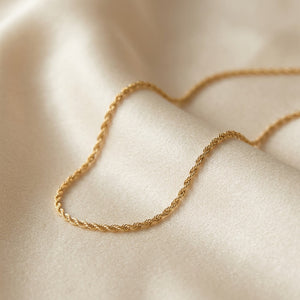
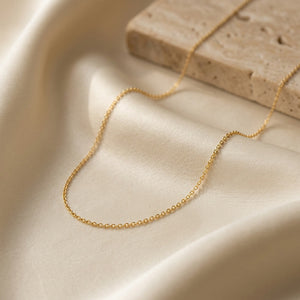
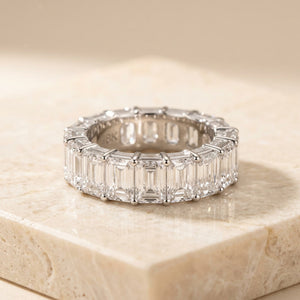
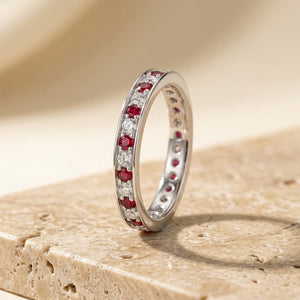
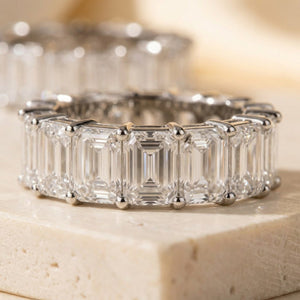
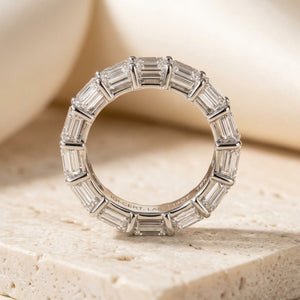
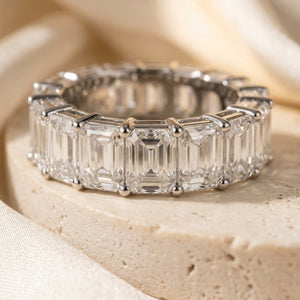
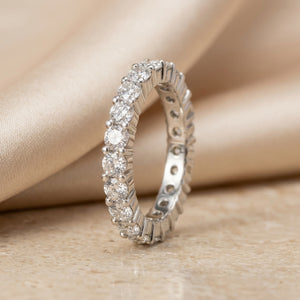
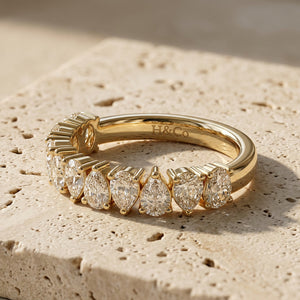
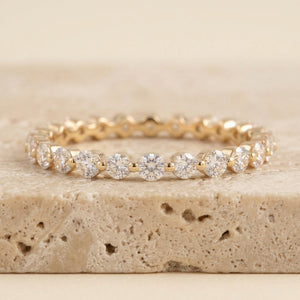
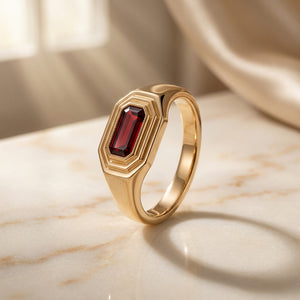
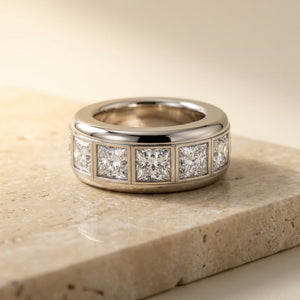
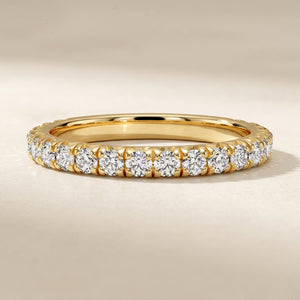
When you're buying a Heritage & Co. engagement ring, you'll notice every ring is listed as either 10K gold or 14k gold. And if you've been searching online, you've probably seen 18k gold come up too. So what's the difference — and which one is actually right for a ring you'll wear every day for the rest of your life?
Here's an honest breakdown.
What Does "Karat" Mean?
Karat (abbreviated k) measures the proportion of pure gold in a metal alloy. Pure gold is 24k — but pure gold is too soft to be practical as a ring, so it's always alloyed with other metals like copper, silver, and zinc to give it structure.
- 10K gold = 37.5% pure gold
- 14k gold = 58.3% pure gold
- 18k gold = 75% pure gold
More gold doesn't automatically mean a better ring. Each karat has real strengths and real trade-offs.
10K Gold — The Everyday Workhorse
10K gold contains 37.5% pure gold, with the remaining 62.5% made up of alloy metals. This higher alloy content makes it the most durable of the three options. It resists scratches and dents better than higher karats, holds its shape under daily pressure, and is the most affordable option — all without looking cheaper. A well-made 10K ring looks indistinguishable from 14k gold to the naked eye.
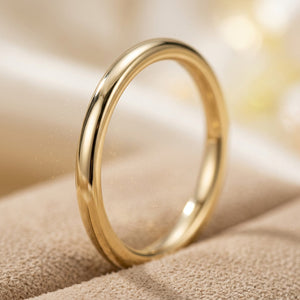
This is why Heritage & Co.'s INVICTA collection is crafted in 10K solid gold, starting from R15,500. It's a real gold ring — hallmarked, solid throughout — built for everyday life.
10K Gold: The Real Trade-offs
- Lower gold purity means it's more reactive to acids (chlorine in pools, certain skincare products). Remove your ring before swimming or using chemical-based products.
- Because of the alloy composition, some people with nickel sensitivity may notice a reaction — though this is uncommon in well-alloyed 10K gold.
14k Gold — The Premium Standard
14k gold is the most popular choice for fine engagement rings globally — and for good reason. At 58.3% pure gold, it strikes the ideal balance between durability and richness. The colour is noticeably warmer and deeper than 10K, especially in yellow gold. And at 14k, the alloy content is low enough that skin reactions are rare.
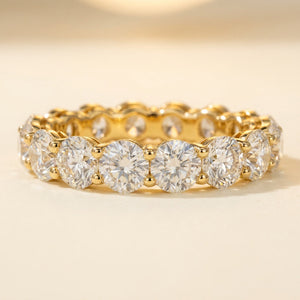
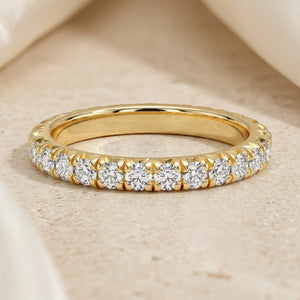
Heritage & Co.'s AETERNA collection is crafted in 14k solid gold — pavé bands, halo settings, cathedral designs — starting from R16,000. When you're investing in a more complex, detailed ring, 14k is the right foundation.
For lab diamond engagement rings, Heritage & Co. uses 14k exclusively — because lab diamonds deserve a setting that matches their quality.
14k Gold: The Real Trade-offs
- Slightly softer than 10K (though still very durable for daily wear)
- Higher price point than 10K
18k Gold — Luxury With a Caveat
18k gold contains 75% pure gold — the richest colour, the most prestigious hallmark, and the softest metal. It's the standard for high-end European fine jewellery houses. If you're buying a brooch, a special occasion necklace, or a pendant you'll wear occasionally, 18k is stunning. But for a ring worn every day — showering, cooking, working with your hands — 18k is the most prone to scratching and surface wear over time.
Heritage & Co. doesn't currently offer engagement rings in 18k, and that's a deliberate choice. For a ring engineered to last a lifetime of daily wear, 10K and 14k gold deliver superior long-term results.
Side-by-Side: 10K vs 14k vs 18k
| Feature | 10K Gold | 14k Gold | 18k Gold |
|---|---|---|---|
| Gold purity | 37.5% | 58.3% | 75% |
| Durability (daily wear) | ⭐⭐⭐⭐⭐ Excellent | ⭐⭐⭐⭐ Very good | ⭐⭐⭐ Good |
| Colour richness | Subtle, bright | Rich, warm | Deep, vibrant |
| Skin sensitivity | Moderate | Low | Very low |
| Price | Most affordable | Mid-range | Most expensive |
| Best for | Everyday rings, entry-level | Premium rings, lab diamonds | Occasional wear pieces |
Which Karat Is Right for You?
Choose 10K Gold If:
- You want the best durability for daily wear
- You're working to a tighter budget without compromising on real gold
- You prefer a classic, bright gold look (INVICTA solitaire style)
Choose 14k Gold If:
- You want a richer gold colour and a premium feel
- You're choosing a ring with more detail — pavé, halo, cathedral settings
- You're setting a lab diamond (14k is the minimum recommended for lab diamonds)
- Skin sensitivity is a concern
Choose 18k Gold If:
- You want the richest gold colour and don't mind more careful maintenance
- You're buying occasional-wear jewellery rather than a daily ring
The Bottom Line
The right karat isn't the most expensive one — it's the one that fits how you'll actually wear the ring. For an engagement ring that goes on in the morning and stays on, 10K is tough and proven. For a premium design that rewards closer inspection, 14k is the standard. Both are real gold, both are solid through and through, and both are hallmarked — there's no compromise on quality at Heritage & Co.
Browse the full engagement ring collection →